Sub-Total: $0.00
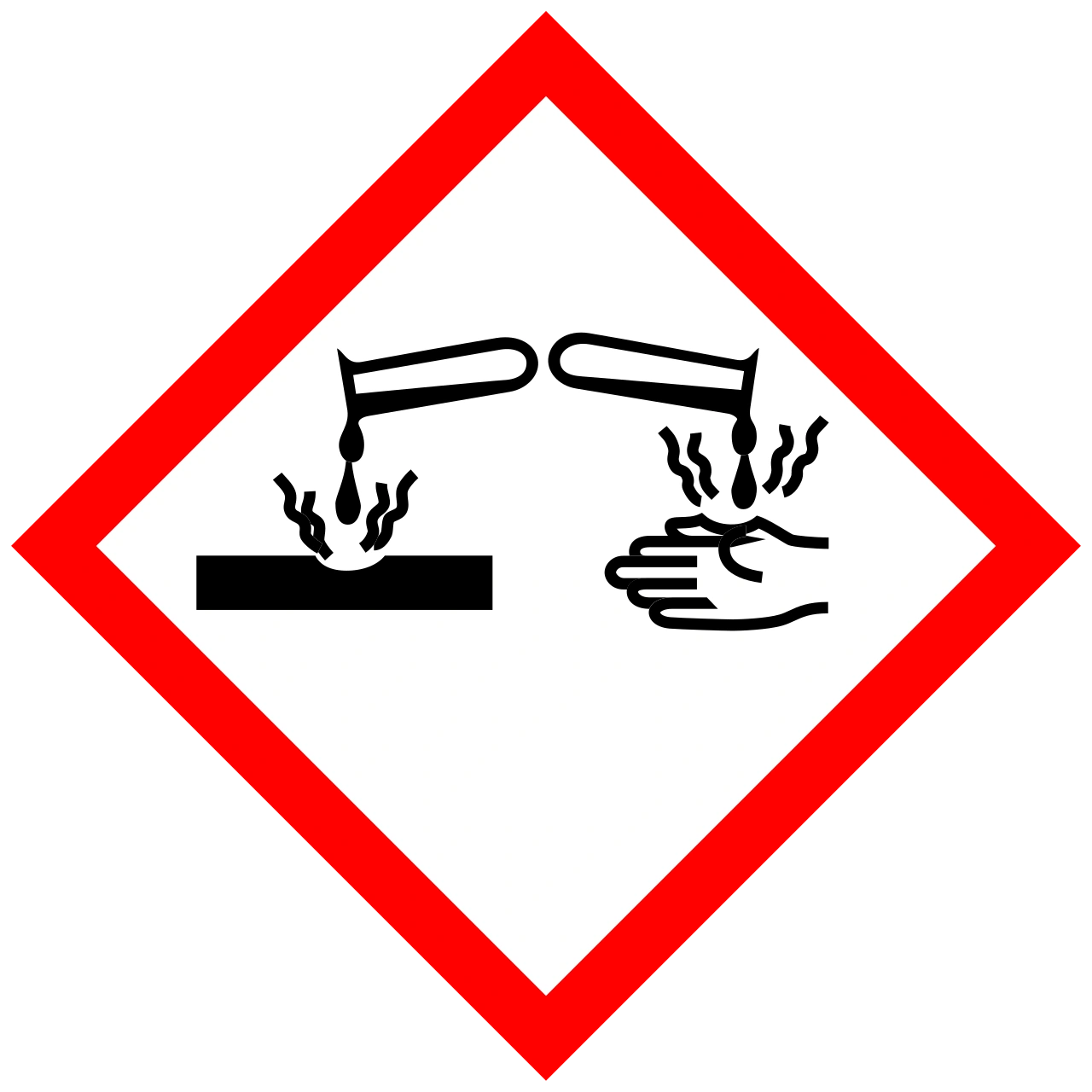
Many individuals hesitate to make soap due to concerns about handling lye. Lye is a hazardous substance that can cause burns upon contact with skin; therefore, proper caution and protective measures are essential when working with it. Nevertheless, lye is an indispensable ingredient in soap production and, when managed carefully, can be safely incorporated into the process.
Lye—also identified as sodium hydroxide, potash, or caustic soda—was traditionally sourced by extracting it from wood ashes. Today, it is widely available for purchase at hardware stores and supermarkets. Through hydrolysis, lye reacts with oils and fats, transforming them into soap. The resulting product is formed by combining fats or oils with an alkali such as lye, creating an effective cleaning solution.
When making soap, water quality plays a significant role. Tap water contains minerals and additives that may adversely affect the soap-making process. It is preferable to use distilled, bottled, or spring water, as these options contain no chlorine or other chemicals. At Alaskan Mist Soaps, we utilize fresh Alaskan rainwater, ensuring our soaps are crafted with pure, chemical-free water.
There are no reviews yet. Be the first one to write one.